How Does Ageless Health Relate to Lifestyle?
Ageless Health is the result of the consistent integration of appropriate lifestyle practices. It encompasses nutrition, physical activity, sleep, stress management, and mental–emotional balance. These factors directly influence biological ageing processes and play a greater role in determining biological age than chronological age.
What is Ageless Health?
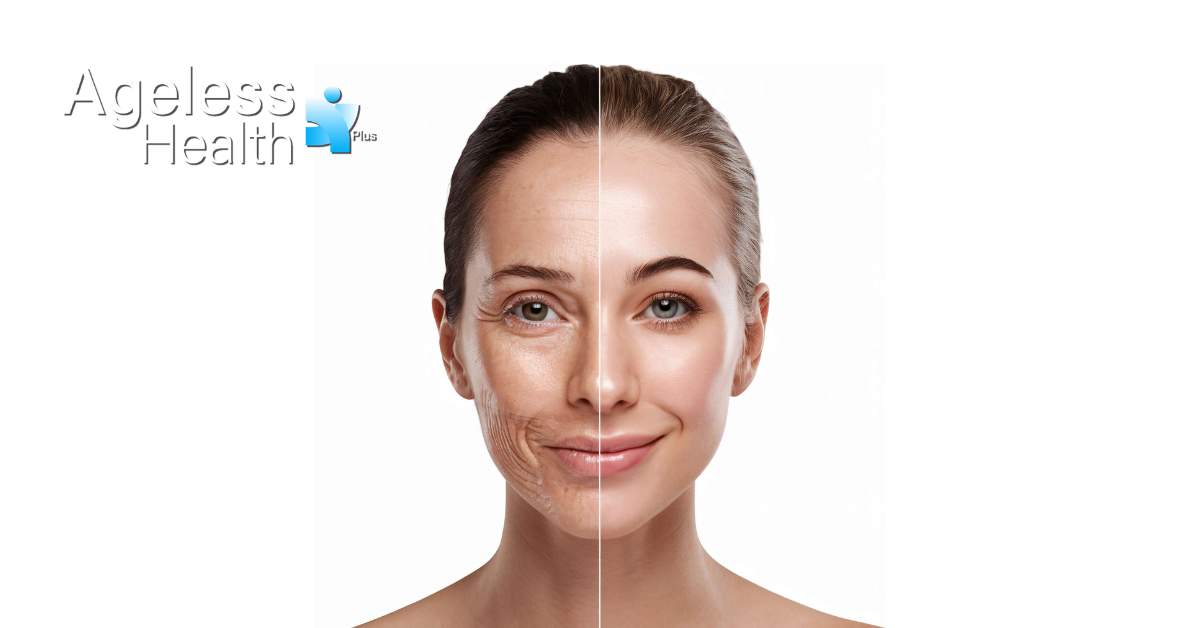
Ageless Health refers to the ability to maintain physical strength, vitality, mental clarity, and emotional balance as one ages, while sustaining a good quality of life despite advancing years.
How Does Lifestyle Influence Ageless Health?
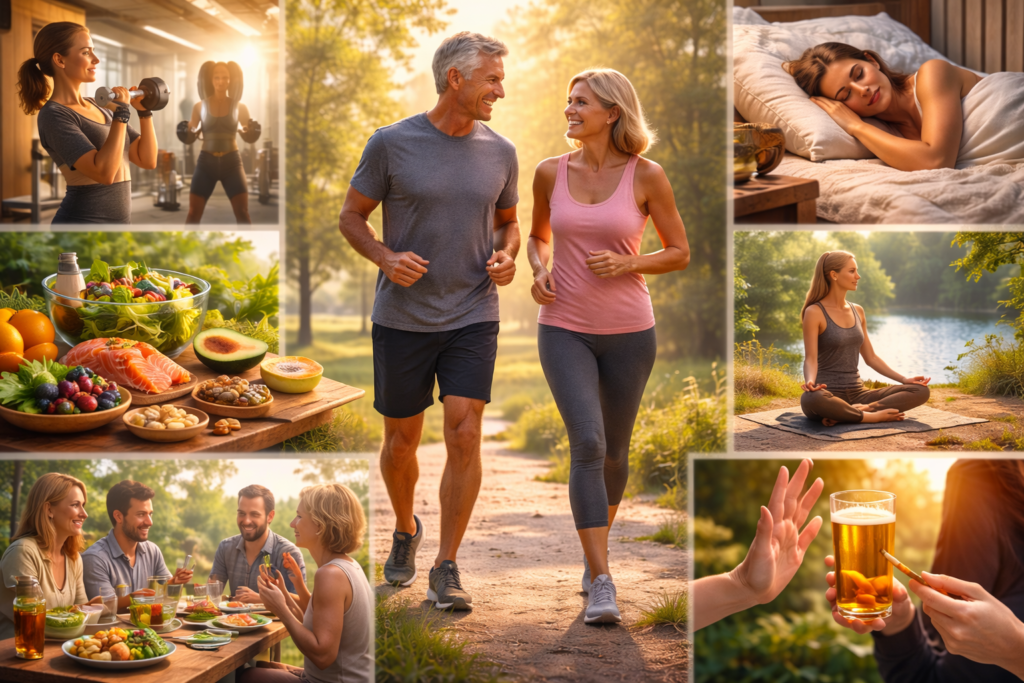
1. Nutrition
Anti-inflammatory foods
Adequate protein intake to prevent muscle loss (sarcopenia)
Vegetables, fruits, and dietary fibre to slow cellular ageing
Note: What we eat “communicates” with our genes through epigenetic mechanisms.
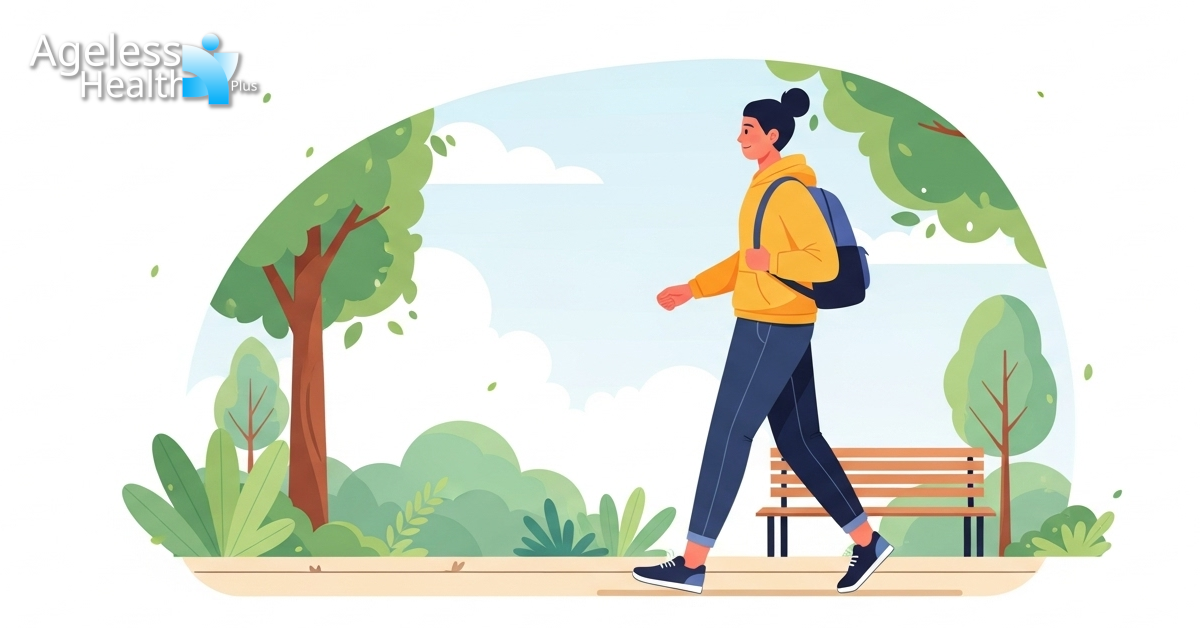
2. Physical Activity
Resistance training strengthens muscles and bones
Aerobic exercise improves the function of the heart, brain, and mitochondria, enhancing efficient integration across body systems
Stretching and mobility exercises support full joint range of motion, improve muscular control, and maintain independence in daily living without reliance on others
Note: Muscle is a longevity organ.
3. Sleep
Regulates restorative hormones (e.g. growth hormone)
Reduces inflammation
Slows cognitive decline
Note: High-quality, deep sleep at appropriate times contributes to slower biological ageing, resulting in a biological age that is lower than chronological age.
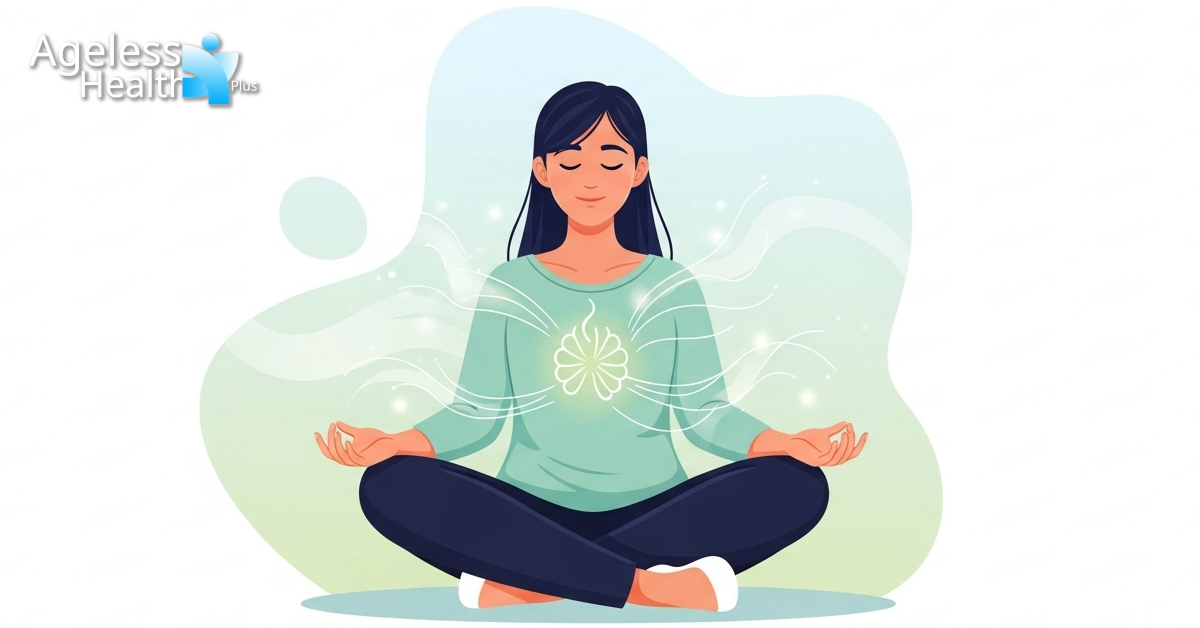
4. Stress Management and Mindfulness
Reduces cortisol levels
Restores balance within the nervous system
Lowers the risk of non-communicable diseases (NCDs)
Note: Youthfulness begins in the mind. When the mind is fatigued, the body ages more rapidly.
5. Addictive Substances and Risk Behaviours
Alcohol consumption and smoking accelerate cellular degeneration, leading to premature ageing and illness
Excessive sugar intake contributes to:
Glycation, a process in which blood sugar binds to proteins, fats, or DNA without enzymatic action, forming Advanced Glycation End Products (AGEs)
Chronic inflammation
Note: Reducing these factors can slow ageing and may partially reverse age-related decline.
6. Meaning in Life and Relationships
A sense of purpose provides a quiet yet powerful source of emotional vitality, inner happiness, and resilience against rapid physical decline
Positive and supportive relationships
A sense of self-worth
Note: True longevity must be accompanied by happiness.
Summary
Ageless Health is not about avoiding ageing, but about ageing with quality.
Lifestyle is the most powerful tool for slowing biological ageing, reducing the burden of chronic disease, and enabling a long, meaningful life.
Dr Apagorn Poltian
References
Li, Y., et al. (2018). Impact of healthy lifestyle factors on life expectancy in the United States. Circulation, 138(4), 345–355.
Khaw, K. T., et al. (2008). Combined impact of health behaviours and mortality in men and women: The EPIC-Norfolk prospective population study. PLoS Medicine, 5(1), e12.
López-Otín, C., et al. (2013). The hallmarks of ageing. Cell, 153(6), 1194–1217.
World Health Organization. (2020). Guidelines on physical activity and sedentary behaviour. World Health Organization.
Buettner, D. (2012). The Blue Zones: Nine lessons for living longer from the people who have lived the longest. National Geographic.
Warburton, D. E. R., et al. (2006). Health benefits of physical activity: The evidence. CMAJ, 174(6), 801–809.
Itani, O., et al. (2017). Short sleep duration and health outcomes. Sleep Medicine, 32, 246–256.
Holt-Lunstad, J., et al. (2015). Loneliness and social isolation as risk factors for mortality. Perspectives on Psychological Science, 10(2), 227–237.
Loef, M., & Walach, H. (2012). The combined effects of healthy lifestyle behaviours on all-cause mortality. Preventive Medicine, 55(3), 163–170.